
Why Deep Cleaning Services Matter for Homes and Businesses

Dust on a shelf is easy to spot. The bigger problem is what builds up where everyday cleaning does not reach: grime behind appliances, residue in grout, germs on shared touchpoints, allergens in vents, and dirt pressed deep into carpets.
That is where deep cleaning makes a difference. Regular surface cleaning keeps a space looking presentable. Deep cleaning helps make it healthier, safer, and more comfortable to use. For homes, that can mean fewer odors, less dust, and cleaner kitchens and bathrooms. For businesses, it can support customer trust, employee comfort, and better care of high-traffic areas.
Deep cleaning services matter because they go beyond the visible mess. They address the buildup that slowly affects air quality, sanitation, appearance, and even the life of floors, fixtures, and furniture.

Deep cleaning does more than make a space look clean
A tidy room can still hold hidden dirt. Regular cleaning usually focuses on visible surfaces and weekly upkeep, such as vacuuming, wiping counters, taking out trash, and cleaning bathrooms. Those tasks are helpful, but they do not always remove buildup in corners, under furniture, inside appliances, or on heavily touched surfaces.
Deep cleaning reaches those neglected areas.
In a home, that may include scrubbing shower grout, cleaning baseboards, washing cabinet fronts, degreasing the kitchen range hood, and moving furniture to vacuum underneath. In a business, it may include sanitizing shared touchpoints, cleaning entryways, removing buildup from floors, and paying close attention to restrooms, breakrooms, dining areas, or customer-facing spaces.
The value is not only visual. A proper deep clean can help reduce dust, allergens, food residue, mold-friendly moisture, and germs on surfaces. No cleaning service can promise a perfectly germ-free space, but thorough cleaning lowers the amount of buildup that can contribute to odors, irritation, and unsanitary conditions.
For homes, this matters during seasonal changes, after renovations, before hosting guests, when moving in or out, or after illness has passed through the household. For businesses, it matters because more people use the same surfaces each day. Door handles, payment counters, waiting areas, tables, rails, and restrooms can become problem areas quickly.
A cleaner environment also affects how people feel in a space. A freshly cleaned home feels calmer and easier to maintain. A clean business feels more trustworthy. Customers may not notice every spotless corner, but they often notice when a space smells stale, floors look dingy, or restrooms feel neglected.
What deep cleaning usually includes
Deep cleaning is more detailed than standard cleaning, but the exact checklist depends on the property, the service provider, and the condition of the space. A good provider should explain what is included before the appointment so expectations are clear.
In general, deep cleaning focuses on buildup, detail work, and harder-to-reach areas.
Common deep cleaning tasks include:
Washing baseboards, trim, doors, and door frames
Cleaning light switches, handles, railings, and other touchpoints
Dusting vents, ceiling fans, blinds, and high ledges
Scrubbing sinks, faucets, showers, tubs, toilets, and tile grout
Degreasing stovetops, backsplashes, range hoods, and appliance exteriors
Cleaning inside microwaves, and sometimes inside ovens or refrigerators if requested
Vacuuming edges, corners, upholstery, and under movable furniture
Mopping hard floors with attention to corners and buildup
Removing cobwebs from ceilings and corners
Emptying trash and cleaning trash can exteriors
Spot-cleaning walls where appropriate
Some services also offer add-ons, such as carpet cleaning, window washing, upholstery cleaning, post-construction cleaning, pressure washing, or disinfecting services. These are not always part of a basic deep clean, so it is smart to ask.
For businesses, the checklist may shift based on the type of space. A restaurant needs grease removal, floor care, and attention to food-adjacent surfaces. A retail shop needs clean glass, dust-free shelving, fitting rooms, and customer touchpoints. A medical or wellness space may require stricter sanitation routines and products suited to the setting.
The best deep cleaning plan matches the way a space is actually used, not a generic checklist.
Deep cleaning should also protect surfaces. Natural stone, hardwood, stainless steel, tile, vinyl, glass, and sealed concrete all need different products and methods. A harsh product in the wrong place can dull a finish, discolor grout, or leave residue. This is one area where trained cleaners bring real value.

The areas that need the most attention
Every property has trouble spots. Some collect moisture. Some collect grease. Some simply get touched all day. Knowing these areas helps explain why deep cleaning on a regular schedule is so useful.
Kitchens and breakrooms
Kitchens collect grease, crumbs, spills, and odors. Even when counters look clean, residue can hide around appliance edges, knobs, cabinet handles, backsplash seams, and under small appliances.
In homes, deep cleaning the kitchen can help remove sticky buildup around the stove, old food residue inside the microwave, and dirt along floor edges. In workplaces, breakrooms often need extra attention because many people use the same sink, refrigerator handles, tables, and trash areas.
Key areas include:
Stovetops and range hoods
Cabinet fronts and handles
Appliance exteriors and seals
Sinks and faucets
Floors under tables and appliances
Trash cans and recycling zones
Bathrooms and restrooms
Bathrooms need more than a quick wipe. Moisture, soap scum, mineral deposits, and frequent use can create stubborn buildup. In businesses, restrooms are also one of the clearest signs of how well a property is maintained.
Deep cleaning may include scrubbing grout, removing buildup around faucets, cleaning partitions, sanitizing handles, polishing mirrors, wiping baseboards, and cleaning hard-to-reach areas behind toilets.
For homes and businesses alike, clean bathrooms support comfort and hygiene. They also help prevent odors from becoming a recurring problem.
Floors, carpets, and entryways
Floors take the most abuse. Dirt, salt, water, pollen, and debris enter on shoes and get pushed across the building. Entryways are especially important because they shape a first impression and carry outdoor grime inside.
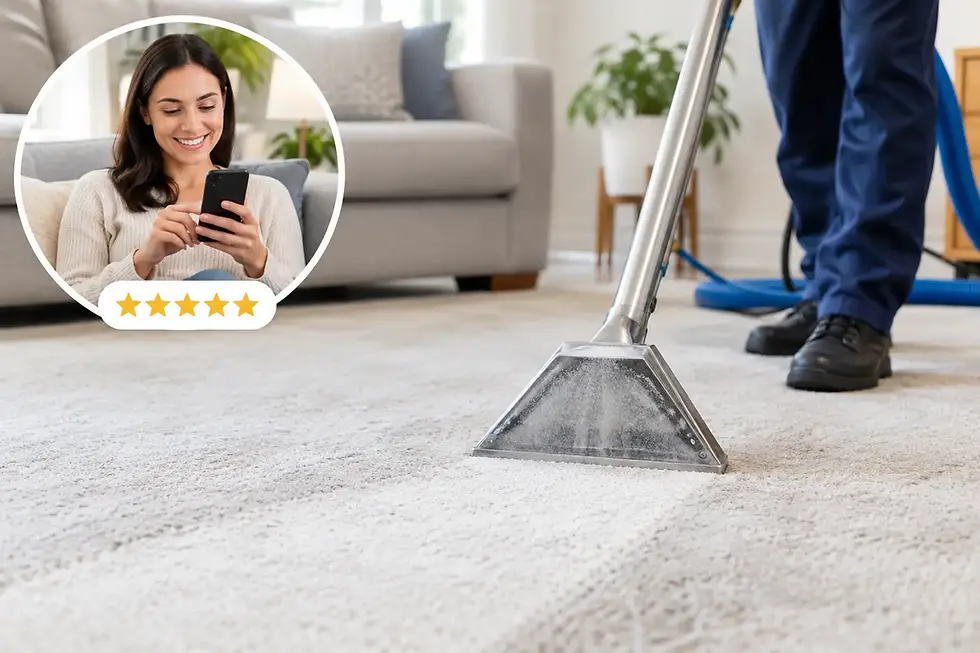
Hard floors may need detailed mopping, edge work, buffing, or machine scrubbing depending on the surface. Carpets hold dust, hair, allergens, and stains, especially in high-traffic paths.
Routine vacuuming helps, but deep cleaning reaches what regular cleaning leaves behind.
Vents, blinds, ledges, and high surfaces
Dust often settles above eye level. Ceiling fans, vents, curtain rods, high shelves, light fixtures, and blinds can hold dust for months. When air moves, that dust can circulate through the room.
These areas are easy to ignore because they do not always look dirty from a distance. Deep cleaning brings them back into the routine.
Touchpoints and shared surfaces
Touchpoints matter in both homes and businesses. These include doorknobs, light switches, handrails, faucet handles, appliance pulls, remote controls, counters, and payment areas.
Cleaning these surfaces helps reduce grime and residue from frequent use. In shared spaces, regular attention to touchpoints is one of the simplest ways to support a healthier environment.

Why hiring professionals is often worth it
Doing a deep clean on your own is possible, especially in a smaller home or space that has been well maintained. The challenge is time, energy, equipment, and consistency. A true deep clean can take hours, sometimes longer if the property has heavy buildup or many rooms.
Professional cleaners bring a few clear advantages.
They know where dirt hides. Experienced cleaners work from a detailed process. They are less likely to miss baseboards, vents, corners, fixtures, or touchpoints.
They use the right tools. Professional teams often bring stronger vacuums, microfiber systems, extension dusters, floor machines, steam tools, or products suited for specific surfaces.
They work more efficiently. A trained crew can divide tasks and move through a property in a planned order. That reduces disruption for households and businesses.
They help protect materials. Using the wrong cleaner can damage wood, stone, metal, painted surfaces, or certain flooring. Professionals should understand which products are safe for each use.
They can work around schedules. Businesses often need cleaning outside customer hours. Homes may need service before moving day, after a renovation, before a party, or during a busy season.
The professional advantage is especially strong for businesses. Cleanliness affects customer confidence, employee comfort, safety, and compliance with internal standards. A retail store with dusty shelves, a restaurant with sticky floors, or a fitness studio with neglected mats sends the wrong message. Deep cleaning helps reset the space so routine cleaning becomes easier to maintain.
There is also a practical benefit: people are more likely to keep a clean space clean. Once grime builds up, small tasks feel harder. A deep clean gives homes and businesses a fresh baseline.
How to choose the right deep cleaning service
Not all cleaning companies work the same way. Some specialize in homes. Others focus on commercial properties. Some offer flexible checklists, while others use fixed packages. The best fit depends on the layout, level of buildup, schedule, and any special needs.
Before booking, look for a provider that communicates clearly. A reliable service should be willing to explain its process, products, pricing structure, and what is included.
Use these tips to compare options:
Ask for a detailed checklist
A deep clean should be more than “standard cleaning plus a little extra.” Request a room-by-room or area-by-area list.
Confirm what costs extra
Inside ovens, refrigerators, windows, carpet cleaning, and heavy stain removal may be add-ons.
Check experience with your type of property
A home, restaurant, gym, clinic, retail shop, and rental property all have different cleaning needs.
Ask about supplies and equipment
Find out whether the team brings everything and whether they can use fragrance-free or eco-conscious products if needed.
Review insurance and worker screening
For both homes and businesses, it is reasonable to ask if the company is insured and how it trains its staff.
Read recent reviews
Look for comments about punctuality, thoroughness, communication, and how the company handles problems.
Discuss timing and access
Businesses may need after-hours cleaning. Homes may need a clear plan for pets, keys, parking, or rooms that should be skipped.
Price matters, but the cheapest quote is not always the best value. A very low price may mean less time on site, fewer tasks included, or rushed work. A clear scope is more useful than a vague bargain.

What to expect during the deep cleaning process
A good deep cleaning appointment usually starts before the team arrives. The company may ask about square footage, number of rooms, flooring types, pets, parking, access, and any priority areas. For businesses, they may also ask about hours of operation and sensitive areas.
Before the appointment, it helps to remove clutter. Cleaners can clean surfaces better when counters, floors, and furniture are accessible. This does not mean the space has to be spotless. It simply means personal items, paperwork, toys, dishes, and loose objects should be put away when possible.
During the service, the team may work room by room or divide tasks by category. For example, one person may focus on bathrooms while another handles floors and dusting. They may move light furniture if it is safe to do so, but large or fragile items may stay in place unless arranged ahead of time.
A typical process may include:
Walkthrough and confirmation of priorities
Dusting from high areas down to lower surfaces
Detail cleaning of fixtures, counters, appliances, and touchpoints
Bathroom and kitchen scrubbing
Vacuuming, edge work, and floor cleaning
Final inspection and touch-ups
For businesses, the process may include sectioning off areas so staff or customers do not walk across wet floors. The team may also use signs, coordinate access with a manager, and clean in phases to avoid interrupting operations.
After the cleaning, inspect the main areas while the team is still there if possible. If something was missed, speak up right away. Reputable companies prefer clear feedback and should address reasonable concerns.
To keep the results longer, create a simple maintenance rhythm. That might mean weekly standard cleaning with monthly or quarterly deep cleaning for a business, or seasonal deep cleaning for a home. High-traffic or high-use spaces may need more frequent attention.
A cleaner space is easier to live and work in
Deep cleaning is not just a cosmetic reset. It removes the buildup that daily and weekly cleaning often miss. It supports healthier indoor spaces, protects surfaces, reduces odors, improves comfort, and helps homes and businesses feel cared for.
The best results come from matching the cleaning plan to the space. Kitchens, bathrooms, floors, vents, entryways, and shared touchpoints deserve special attention because they carry the most use and buildup. Professional cleaners can make the process faster, safer, and more thorough, especially when the job is large or the space serves many people.
A regular deep cleaning schedule gives any property a stronger foundation. Once the hidden dirt is gone, everyday cleaning works better, and the whole space feels easier to maintain.


Comments