

A Guide to Healthy Home Cleaning That Works

A healthy home should feel as good as it looks. It is the clear kitchen counter before breakfast, the fresh scent in a guest room, and the relief of coming home after a full Charlotte workday without another long list of chores waiting. This guide to healthy home cleaning focuses on the practical choices that help reduce dust, allergens, germs, and chemical residue while keeping your space comfortable, welcoming, and truly clean.
Healthy cleaning is not about chasing perfection or filling a cabinet with specialty products. It is about creating a dependable system, using materials thoughtfully, and knowing when professional support can give your home the detailed reset it deserves.
Start With the Surfaces You Touch Most
The most meaningful cleaning happens where daily life happens. Kitchen counters, bathroom fixtures, doorknobs, light switches, remotes, refrigerator handles, and phones collect oils, food residue, and germs quickly. Cleaning these areas consistently helps your home look polished while supporting better hygiene for everyone inside.
First, remove visible dirt with a clean microfiber cloth and an appropriate all-purpose cleaner. Then follow the product directions if disinfecting is needed. Cleaning and disinfecting are related, but they are not the same. Cleaning lifts away soil and residue; disinfecting is intended to reduce germs on a surface. A surface generally needs to be clean first for a disinfectant to work as intended.
For most households, a regular wipe-down of high-touch areas is enough. During illness, after guests visit, or when a bathroom has had heavy use, it makes sense to clean those areas more thoroughly and more often.
Choose Safer Products, Not More Products
A healthy cleaning routine does not require harsh fumes. Eco-conscious products can be highly effective when they are matched to the right job and used correctly. Look for straightforward instructions, clear ingredient information, and products made for the surfaces in your home.
One rule matters more than any label: never mix cleaning products. Combining bleach with ammonia, acids, or other cleaners can create dangerous gases. Use one product at a time, keep the room ventilated, and store supplies away from children and pets.
Natural does not automatically mean safe for every surface, either. Vinegar can be useful in some applications, but its acidity may dull or damage natural stone. Essential oils can trigger sensitivities for some people and may be unsafe around certain pets. The best choice depends on your household, your surfaces, and the cleaning task at hand.
A simple, well-organized supply kit usually does the job: microfiber cloths, a vacuum with a quality filter, a mop with washable pads, a gentle all-purpose cleaner, bathroom cleaner, dish soap, and a disinfectant for occasional targeted use. Fewer products make it easier to clean consistently and reduce accidental mixing.
Give Floors and Fabrics the Attention They Deserve
Dust, pollen, pet dander, and outdoor debris settle where you walk, sit, and sleep. In the Charlotte area, seasonal pollen can make a home feel dusty again almost overnight, especially near entryways and open windows. Floors and soft furnishings deserve more than an occasional once-over.
Vacuum carpets and rugs at least weekly, and more often in homes with pets, children, or allergy concerns. Move slowly enough for the vacuum to lift embedded debris instead of just passing over the surface. Hard floors benefit from frequent dry dusting or vacuuming, followed by damp mopping with a cleaner designed for the floor type.
Wash bedding regularly in the warmest water the fabric allows, including pillowcases and sheets. Comforters, mattress covers, throw blankets, and pet bedding need attention too, though not necessarily every week. If someone in the home has allergies, clean bedding and properly maintained carpets can make a noticeable difference in comfort.
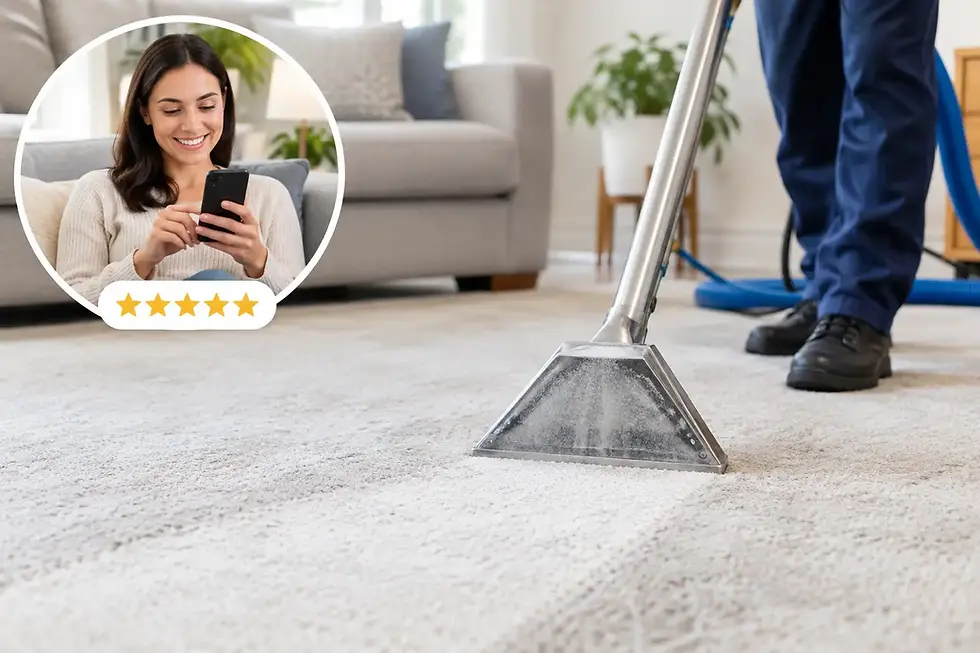
Carpet cleaning is one area where timing depends on real life. A quiet household may only need professional carpet care periodically, while homes with pets, toddlers, frequent entertaining, or a recent move may benefit from a deeper refresh sooner. Visible spots are one signal, but dullness, lingering odors, and flattened carpet fibers are signs that soil has built up below the surface.
Build a Routine You Can Actually Keep
A beautiful home is easier to maintain when cleaning is spread across the week instead of saved for one exhausting Saturday. The goal is not to be constantly cleaning. The goal is to prevent small tasks from becoming a major reset.
Daily attention can be brief: wipe kitchen counters, load or unload the dishwasher, put away clutter, and quickly check bathrooms. Once a week, focus on bathrooms, floors, dusting, and fresh linens. Monthly, look at the places that are easy to miss, such as baseboards, ceiling fans, cabinet fronts, interior appliances, and door frames.
This rhythm can change with your schedule. A family hosting relatives may need a pre-visit refresh. A renter preparing for a lease inspection needs a more detailed plan. A busy professional may prefer recurring service so the home stays guest-ready without losing a weekend to scrubbing grout.
Don’t Forget Air Quality and Moisture Control
Healthy home cleaning also includes the spaces you cannot see at first glance. Dusting and vacuuming help, but airflow and moisture management are equally important. Run bathroom exhaust fans during and after showers, address leaks promptly, and avoid leaving damp towels or laundry piled up for too long.
Open windows when weather and pollen levels allow, especially while using cleaning products. Replace HVAC filters on the schedule recommended for your system, and keep vents clear of furniture and dust. These small habits support cleaner air and can help prevent musty odors from taking hold.
In kitchens, wipe up spills quickly and clean the sink, garbage disposal area, and refrigerator shelves before odors spread. In bathrooms, drying shower walls or using a squeegee after use can reduce soap scum and make deeper cleaning far easier.
Know When a Deep Clean Is Worth It
Routine cleaning keeps a home orderly. Deep cleaning restores the details that everyday maintenance cannot always reach. Think inside cabinets, behind appliances, under furniture, along baseboards, inside showers, and around the edges of carpets and upholstery.
A professional deep clean can be especially helpful before moving in, after moving out, ahead of a celebration, following a renovation, or when a home simply needs a fresh start. It is also a practical choice for seniors, new parents, property managers, and anyone whose schedule is already stretched thin.
With Totally Cleaning Services, Charlotte-area clients can tailor the scope around what their property needs, whether that means recurring upkeep, a one-time detailed clean, carpet care, or move-related service. Qualified cleaners, eco-friendly materials, and flexible scheduling turn a long cleaning list into a simple plan: arrange access, choose the service, and come back to a home that feels cared for.
A Healthy Home Should Feel Easy to Maintain
The best healthy cleaning routine is the one that fits your life. Use products thoughtfully, clean high-impact areas regularly, care for floors and fabrics, and make room for professional help when the work is bigger than the time you have. A freshly cleaned home is not just a nicer backdrop for your day. It is a calmer, more comfortable place to rest, gather, and start again.


Comments